




I approached Eureka: Earn money for surveys as a small, practical way to turn spare minutes into rewards rather than as a serious income source. Its central idea is simple: answer surveys on a phone and build toward cash rewards or gift cards. That narrow focus is also its main appeal. You do not need to learn a complicated budgeting system, create content, or sell anything. When a survey is available, you decide whether the time feels worth it.
The app comes from SocialLoop and sits in the lifestyle category. It is free to install, rated for Everyone, and available for devices running iOS 11 or later. The current version is 26.8.21. Its audience is already substantial, with more than a million installs, a 4.6 average rating, and roughly 236 thousand ratings. Those figures suggest that the basic survey-and-reward model is easy for many people to understand, although popularity alone does not make every questionnaire worthwhile.
What makes the survey model useful
The most important capability here is not simply earning a reward. It is the low barrier between opening the app and finding something to do. Traditional ways of making extra money often require planning, travel, equipment, or a longer commitment. Eureka is built around short periods when I might otherwise be waiting for a bus, sitting in a reception area, or taking a break from work.
That convenience changes how I judge it. I would not compare a survey reward with an hourly wage, because the available questionnaires can vary in length and personal relevance. Instead, I see the app as a spare-time filter: it presents an opportunity, I check the effort involved, and I choose whether to continue. The best result is not completing every survey. It is avoiding wasted time while collecting something useful from moments that would otherwise produce nothing.
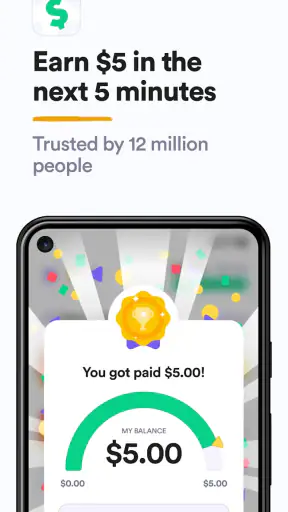
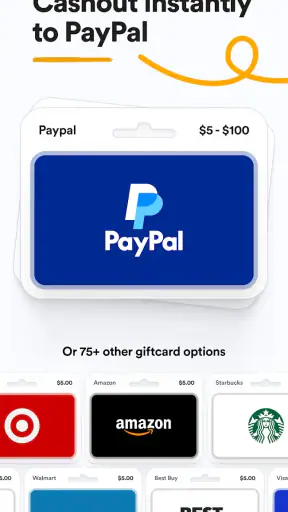
The reward options are an important part of that decision. Eureka is designed around cash rewards and gift cards, so the balance is meant to become something practical rather than remaining an abstract score. Before committing to a longer questionnaire, I would think about which type of reward I actually want. If I rarely use gift cards, a cash-oriented option may be more appealing; if I already shop with a supported retailer, a gift card can be a convenient alternative.
The realistic value is flexibility, not guaranteed income. The app can fit around an existing routine, but it should not replace dependable work or be treated as a predictable monthly payment. That distinction matters because survey availability depends on whether a questionnaire matches the user at a particular moment. A person expecting a constant stream of high-value tasks will probably find the experience less satisfying than someone who is happy to check occasionally.
How I would use it during an ordinary day
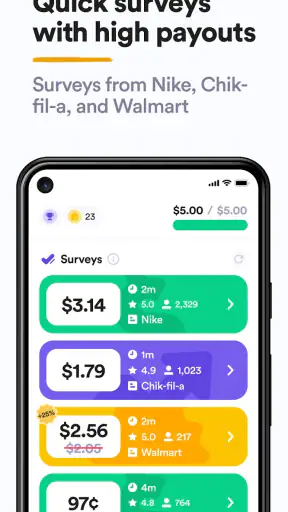
Imagine I have fifteen minutes before an appointment. I open Eureka, look at the surveys currently offered, and read the basic commitment before starting. If one appears short enough for the time available, I begin it. If the questionnaire looks likely to run beyond my waiting period, I leave it for later instead of rushing through answers. This simple habit is more useful than opening the app repeatedly without a plan.
I also recommend answering consistently and honestly. Survey apps depend on matching people with particular questionnaires, and careless answers can make the process frustrating. I would not try to guess what a survey wants to hear, speed through every screen, or treat each question as an obstacle. Thoughtful responses make the activity less tedious and help preserve the point of using a feedback platform in the first place.
A second practical routine is to reserve survey time for low-attention moments, but not for situations where concentration matters. I would use it while waiting at home or during a quiet break, never while driving, crossing a street, or handling work that requires focus. That sounds obvious, yet the entire appeal of this kind of app is that it can slip into small gaps, so setting a boundary prevents a minor reward from becoming a distraction.
Another useful approach is to treat the balance as a delayed reward rather than spending mental energy on it throughout the day. I would check the available redemption choices when I have accumulated enough to make the result meaningful, then decide whether cash or a gift card fits my needs better. This avoids turning every short survey into a calculation and keeps the experience closer to a casual side activity.
Where it fits better than usual alternatives
Compared with cashback apps, Eureka is more direct for someone who wants to exchange opinions rather than shop. Cashback normally makes the reward dependent on a purchase, while a survey app lets me participate without first spending money. That makes it more suitable for a person who wants a no-purchase activity, although it also means the reward depends on available questionnaires instead of the shopping decisions I was already going to make.
It also differs from receipt-scanning services. Receipt apps can work quietly in the background of a shopping routine, but they require keeping receipts and remembering to upload them. Eureka asks for active attention, yet it does not tie the opportunity to a store visit. If I already save receipts carefully, a receipt-focused alternative may be more efficient. If I have time but no recent shopping, surveys may be the better match.
Compared with gig-work platforms, the commitment is much lighter. There is no need to travel to a task, coordinate with a customer, or arrange a delivery. The trade-off is obvious: the earning potential is also much smaller and less dependable. I would choose Eureka for convenience and choose gig work when I needed a more substantial, scheduled source of extra money.
Finally, it is different from passive-reward tools that promise value simply for leaving an app installed or performing background activity. Eureka asks me to provide actual responses. That can feel more transparent because I know what I am doing, but it is not effortless. People who dislike questionnaires should not expect the reward format to make the questions disappear.
The small details that affect the experience
The first detail I would watch is time. A survey that looks attractive because of its reward may still be a poor choice if it takes longer than I expected or requires unusually careful attention. I would start only when I can finish without interruption. Beginning a questionnaire during a rushed moment creates the worst combination: little usable time and a greater temptation to answer carelessly.
The second detail is personal fit. Some surveys will feel natural because they relate to products, habits, or experiences I know well. Others may be less relevant and therefore slower to answer. I would not interpret an unsuitable questionnaire as a failure of the entire app. The useful question is whether enough of the opportunities match my life to justify occasional checking.
The third is reward preference. Cash and gift cards serve different purposes, and the better choice depends on how I normally spend. Someone saving for a general expense may value cash more, while someone who regularly buys from a familiar retailer may prefer a gift card. Thinking about that before collecting rewards makes the balance more useful and reduces the chance of choosing an option that does not fit.
The fourth is patience with screening. A survey may ask initial questions to determine whether I fit its audience. That part can feel like work without an immediate payoff, especially when I am looking for a quick activity. I would enter the process expecting that not every questionnaire will be a perfect match. If being screened out repeatedly becomes the dominant experience, I would stop using the app rather than forcing myself to continue.
There is also a privacy judgment that every survey user should make for themselves. I would read each question carefully and consider whether I am comfortable sharing the requested opinion or personal context. The fact that an app is free does not mean every user should answer everything automatically. A reward should never pressure me into providing information I would rather keep private.
What the free price does and does not mean
Because Eureka is free, trying it carries little financial risk. That makes it easy to test alongside another reward app and decide whether the available surveys fit my routine. Still, “free” does not mean costless in every sense. My time, attention, mobile data, and patience all have value. I would judge the app by the quality of the opportunities I actually receive, not merely by the absence of an installation fee.
I would also avoid building a budget around expected survey earnings. The app’s purpose is best understood as occasional supplemental value. A person who needs a fixed amount by a fixed date should use a more dependable method. Eureka can be pleasant when the timing works, but it cannot turn unpredictable availability into a guaranteed schedule.
The Everyone age rating makes the app broadly approachable, but younger users should still involve a parent or guardian when appropriate, especially when rewards or personal questions are involved. The rating describes general suitability; it does not remove the need for sensible judgment about time, privacy, and redemption choices.
Who is most likely to enjoy it
I think Eureka is strongest for adults with irregular pockets of free time, people who prefer simple tasks, and users who want a reward option that does not require shopping first. It can also suit someone testing the survey category for the first time because the concept is easy to grasp: open the app, review an opportunity, answer carefully, and work toward a reward.
It is less suitable for anyone seeking reliable income, instant results from every session, or a completely passive experience. It is also a poor match for people who become annoyed by questionnaires, dislike sharing opinions, or cannot spare enough uninterrupted time to complete them thoughtfully. In those cases, cashback, receipt scanning, freelance work, or a conventional part-time job may offer a better fit.
For me, the deciding factor would be whether I can make it part of an existing waiting-time routine without obsessing over the balance. I would install it, try a few opportunities when I genuinely have time, and then evaluate the experience by three questions: Were the surveys understandable? Did the time feel reasonable? Do the available rewards match something I would actually use? Those answers matter more than the headline promise of earning.
My overall view after weighing the trade-offs
Eureka succeeds because it keeps one idea focused: surveys in exchange for cash rewards or gift cards. SocialLoop has made that idea approachable enough to attract a large audience, and the strong average rating indicates that many users find the basic experience worthwhile. I appreciate that it can occupy otherwise empty minutes without asking me to make a purchase or take on a larger commitment.
At the same time, I would keep expectations modest. Survey availability, personal relevance, completion time, and reward preference all affect whether a session feels worthwhile. The app is not a shortcut to dependable earnings, and it is not the right alternative for every reward-seeking user. Its value appears when convenience matters more than scale.
My recommendation is therefore conditional but positive: try Eureka if you want a free lifestyle app for occasional survey work and you are comfortable treating rewards as a bonus. Use it during calm, genuinely spare moments, answer with care, and choose rewards that fit your normal spending. If you approach it that way, Eureka: Earn money for surveys can be a sensible little addition to your phone rather than an unrealistic promise of easy income.


